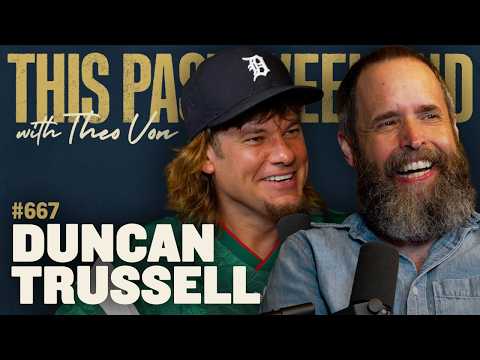
Theo Von and Duncan Trussell vividly contrast the brutal realities of pioneer life, marked by wooden wheels, disease, and constant danger, with the conveniences of modern existence, such as electricity and sanitation. They humorously speculate on the dangers of wagon travel and the harshness of daily life, suggesting that current living standards are a remarkable achievement.
The Weight of Power and Surveillance
The discussion shifts to the immense psychological pressure on powerful figures, like presidents, due to constant surveillance and external energies. Duncan Trussell posits that this relentless scrutiny and potential 'curses' from various entities contribute to the mental and physical decline observed in leaders such as Trump and Obama, suggesting it's a universal burden of high office.
Medieval Sanitation and Lice Control
Medieval toilets, known as 'garter robes,' discharged waste into pits or moats. Surprisingly, the ammonia fumes from these pits were used by nobles to kill lice and fleas on their clothing, offering a lice-free but foul-smelling alternative to modern hygiene. This practice highlights a stark contrast in historical living conditions and the ingenuity, however unpleasant, of past societies in solving common problems.
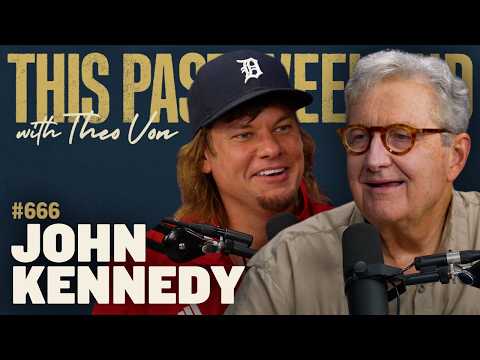
Senator John Kennedy and Theo Von discover a shared connection through their Louisiana upbringing, discussing the unique characteristics of towns like Zachary and Mandeville, and how these environments shaped their perspectives.
Reflections on Small-Town Life and Education
Kennedy and Von reminisce about their experiences growing up in small towns and attending high school, reflecting on the unique social dynamics, the sense of community, and the protective environment that such settings provided, contrasting it with the present day.
Tucker Carlson's Political Stance
Senator Kennedy discusses Tucker Carlson's decision not to support the Republican party, attributing it to Carlson's falling out with President Trump over the Iran conflict and his belief that the party has become 'Israel first' rather than 'America first.'
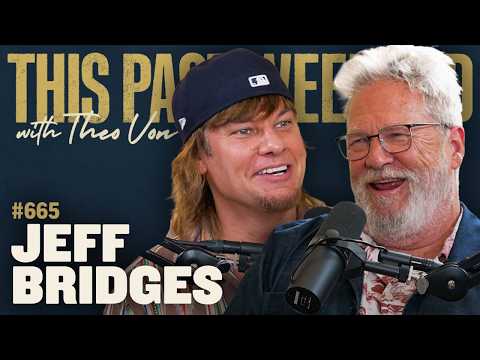
Jeff Bridges: The 'Trim Tab' of Spirituality and Creativity
Bridges reflects on how a higher power or a guiding force seems to influence actions, likening it to the 'trim tab' concept. He suggests that by making oneself vulnerable and present, individuals can tap into this energy, enabling them to create positive change and manifest their dreams, emphasizing the importance of trust and surrender.
Bernie Glassman: The Zen Master and the 'Heads' Project
Jeff Bridges recounts his collaboration with Zen Master Bernie Glassman, leading to the book 'The Dude and the Zen Master.' Bridges conceived a fundraising idea for Glassman's organization, Zen Peacemakers, involving renting out 108 'heads' for $10,000 a year, which would come with certificates and a website detailing their 'genealogy.' This project, akin to Cabbage Patch Kids, was disrupted by a flood that lost the heads, prompting a need to create more.
Jeff Bridges: The Creative Flow and Hobbies as Jobs
Jeff Bridges describes how creative energy flows into various outlets, like writing songs or painting, even when preparing for a role. He shares an anecdote about painting hotel rooms while preparing for the movie 'Fearless.' He also reflects on how his hobbies, like stand-up comedy and podcasting, evolved into jobs, leading to a feeling of having lost parts of himself. Robert Duvall's advice to 'hobbies, hobbies, hobbies' is recalled as crucial for maintaining a creative life.
Jared from Indiana, a father of three boys with no father figure himself, seeks advice on how to be the father he never had. He expresses the difficulty of this role, especially with a young child, and names his sons after Theo Von, indicating admiration for his work.
The Greasy Al Pastor Analogy
Theo Von uses a humorous anecdote about ordering greasy al pastor meat at a Mexican restaurant to illustrate how life can sometimes be unexpectedly unpleasant or 'greasy.' He likens the experience to a vendor pointing out the grease on the food he just served, emphasizing the absurdity of complaining about something you created or delivered. This leads to a broader reflection on accepting life's less-than-ideal moments, comparing himself to 'second-class meat' that is still an 'entree.'
Relationship Jealousy and Unconditional Love
A caller named Michael expresses deep jealousy over his girlfriend's past relationships, struggling to accept and love her unconditionally. He asks for advice on how to move past his own insecurities and stop centering himself in the relationship. Theo Von acknowledges the difficulty of the situation, suggesting that 'loving, bro' should be a universal anthem, implying that unconditional love is the ideal but challenging path.
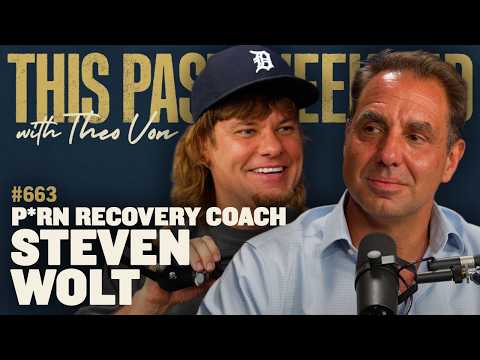
Steven Wolt recounts how pornography addiction began as an outlet for depression and loneliness but escalated into a compulsive behavior that led him down dark paths, including engaging in behaviors outside his sexual orientation and ultimately contributing to his life's collapse in 2008. He views pornography as a gateway drug that eroded his values and led to more destructive behaviors.
Wolt: Recovery is Building a Life, Not Just Abstinence
Steven Wolt argues that true recovery transcends mere abstinence from addictive behaviors; it's about actively building a life that is more enjoyable and purposeful than the one one is escaping from. This involves becoming emotionally regulated, socially connected, and living with honesty and integrity, thereby eliminating the need for maladaptive coping mechanisms.
Steven Wolt: The Dual Nature of Porn Use
Steven Wolt distinguishes between casual pornography use and addiction, explaining that while some men may stumble upon it without underlying issues, others actively seek it out due to existing emotional pain or a need for a 'fix.' He notes that statistics suggest 10-15% of men have an addiction or severe unhealthy relationship with pornography, indicating a significant portion of the male population is affected.