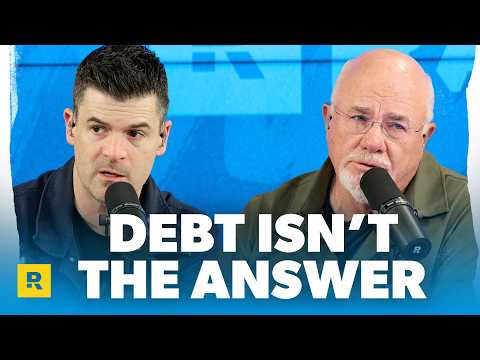
Sam, a 19-year-old with a thriving landscaping business, wisely seeks to purchase a car with cash rather than taking out a loan, even though his parents suggest a more expensive vehicle. George and Jade affirm his approach, emphasizing that his understanding of cash and delayed gratification is key to his financial success. They advise him to keep a portion of his savings as an emergency fund and use his current cash and future earnings to buy a reliable, affordable car outright, reinforcing the principle that needs should dictate purchases, not wants.
Emily: Income Generation is Key to Debt Freedom
Emily, recently unemployed but starting a new $20/hour job, seeks advice on generating more income to attack her $29,000 in non-student loan debt (totaling $50,000 with student loans). George and Jade emphasize that while cutting expenses is crucial, increasing income is paramount for rapid debt payoff. They advise her to get current on bills, use the EveryDollar app for budgeting, and throw any extra money at her smallest debt (an IRS bill). They also encourage exploring side hustles like babysitting or delivery services, and importantly, to focus on long-term career growth to break free from financial struggle.
George & Jade: Side Hustles & Career Growth for Long-Term Security
Responding to Emily's debt situation, George and Jade stress the necessity of both short-term income boosts and long-term career development. They suggest immediate actions like selling items, flipping goods, or driving for delivery services. More importantly, they urge Emily to consider her career path, envisioning future goals to guide her professional development. This dual approach—immediate cash flow generation and strategic career planning—is presented as the key to sustainable financial freedom beyond just managing debt.
John: Prioritize Family Values Over Debt for College
John earns $185,000 annually but is estranged from his daughter, who is upset he won't take out loans for her out-of-state college expenses. He wants to help but refuses to go into debt. George and Jade validate John's stance, emphasizing that parents should not sacrifice their own financial security for their children's education. They advise him to communicate his financial boundaries clearly, focusing on what he *can* offer (e.g., a specific amount of cash, a car) rather than solely on what he *won't* do (take on debt), and to work towards reconciliation by explaining his principles.
The Peril of Debt Settlement Companies
Consumers often fall prey to debt settlement companies that are not law firms, leaving them vulnerable when creditors sue. These companies collect payments but lack the legal standing to represent clients in court, leading to unexpected lawsuits and further financial distress. While budgeting and the Baby Steps remain the best path out of debt, Guardian Litigation Group offers legal representation for those facing legal threats from creditors, providing a crucial layer of protection when a situation escalates beyond simple debt management.
Escaping Underwater Assets
When a mobile home is significantly underwater (owing more than its appraised value), the most financially sound decision is to sell it, even if it requires taking a loan for the difference. Holding onto a depreciating asset with increasing lot rent and mortgage payments creates a widening financial gap. While selling may not be 'fun' and securing a loan for the deficit presents challenges, it's a strategic move to escape a losing proposition and transition to more stable, value-building housing, like renting, while aggressively paying down the new debt.
Dementia Care & Financial Planning
For individuals facing a spouse's dementia diagnosis, maintaining a robust emergency fund (6+ months) and establishing a sinking fund for medical expenses are critical. While family visits are important, they should not compromise essential financial security. Long-term care costs can be substantial ($50-100k/year), and without long-term care insurance (often unobtainable post-diagnosis), families must meticulously plan for out-of-pocket expenses by understanding their health insurance coverage and maximizing income through continued work or aggressive saving. Prioritizing financial preparedness allows for better care and reduces future stress.
Marital Financial Transparency
A marriage cannot thrive financially without complete transparency and accountability. When one spouse hides debt, avoids discussing finances, or fails to contribute to shared responsibilities like rent, it signals a fundamental breakdown in the partnership, turning a marriage into a 'bad roommate' situation. Addressing these issues requires confronting the underlying relational problems, not just the financial symptoms. Until open communication and a unified financial plan are established, the marriage's financial health remains precarious.
Gail's Financial Comeback
After overcoming addiction and personal challenges, Gail was able to sell her inherited home for a significant profit, pay cash for a new home, and is now focused on building a retirement nest egg with her earned income and social security. She emphasizes the importance of faith and a fresh start in her financial journey.
Gail's Retirement Strategy
With a paid-off home and no debt, Gail is advised to open and fund a Roth IRA with her earned income to save $8,000 annually tax-free. This, combined with social security, aims to provide a comfortable retirement, while also being cautioned against investing in single stocks.
The Cost of Delaying Financial Action
The hosts illustrate the dramatic difference in investment growth between starting early (age 20) and starting later (age 50), highlighting that a dollar invested at 20 can grow to $73 by age 65, while the same dollar invested at 50 might only grow to $3.50, underscoring the urgency of investing now.
Jackson's Emergency Fund & Car Decision
Jackson and his wife have a three-month emergency fund and are saving for a labor and delivery bill. They are considering selling a $45,000 car to buy a $20,000 one to accelerate their emergency fund savings, potentially saving 14 months of sacrifice.
Rebecca's 401k Rollover Guidance
Rebecca is seeking to move her husband's traditional 401k from a previous employer to an IRA. She is advised to perform a direct rollover to a traditional IRA to avoid taxes and to ensure the funds are invested, not left in cash, with assistance available from SmartVest Pros if needed.
Connor's Wedding Gift Allocation
Connor is debating whether to use wedding gifts to buy his leased car for $19,000 or to put the gifts directly towards his $72,000 in student loans and buy a cheaper 'beater' car.
Jesse's Career Path Dilemma
Jesse, a 22-year-old, is questioning whether to pursue a financially stable career or one aligned with his passions, like foster care, and seeks advice on balancing these factors. He is encouraged to find a career that merges passion with financial viability, rather than choosing solely on income.
Caller 1: The Career-Debt Dilemma
Staying debt-free provides significant flexibility, enabling individuals to pursue careers that are personally fulfilling rather than solely dictated by income needs. While entry-level positions may offer lower pay, experience gained over time leads to higher earning potential, making it crucial to align career choices with passions and long-term goals.
Drew: The Lakehouse Equity Conundrum
Leveraging equity from a personal asset like a lakehouse, which is frequently used and enjoyed, to purchase investment properties is generally not advisable. The lakehouse serves as a recreational asset, not an investment, and its value should not be pressured to generate returns. Instead, focus on existing income and savings rates to build wealth, or acquire investment properties with cash if real estate is a passion.
Drew: The Power of Consistent Investment
With a strong income and a high savings rate, significant wealth can be accumulated over time without the need for aggressive, debt-fueled investment strategies. By consistently investing a substantial portion of their income, individuals like Drew can project substantial future wealth, underscoring the effectiveness of disciplined saving and investing.
The Ramsey Philosophy on Wealth Building
The core of building lasting wealth lies in maintaining a debt-free lifestyle and consistently saving and investing a significant portion of one's income. This approach, exemplified by the Baby Steps, prioritizes financial peace and flexibility over speculative or leveraged investments, ensuring long-term security and the freedom to pursue passions.